

In Chile, we can currently identify the circulation of various public discourses around digitalization. These discourses are also agendas, as those who appropriate them -policymakers, consultants, companies, the technical community, politicians, the academia and the civil society- are actors that perform actions and try to influence decision-making based on their concerns. These agendas directly or indirectly refer to digital convergence from a regulatory standpoint.
The ones we can identify include:
Agenda 1: The Telecommunications Law is obsolete. It does not respond to current challenges, and its administrative procedures are long and heavy. But do not change the format. Let us remain anchored to a ministry, which is the only institutional form Chile has had in the issue, yet focused on the economic dimension of digitalization.
Agenda 2: We need to put people at the center again. Digitalization entailed promises of democratization of technologies and communication that have increasingly become a dystopia. Recognizing the Internet as a public utility alone does not promote the development of Internet projects from a community or commons perspective.
Agenda 3: People in Chile no longer get their information from traditional media but mainly through social and digital media, and the country has one of the lowest levels of trust in media. Furthermore, digital platforms are using AI to generate information, resulting in reduced traffic to news sites. What do these trends mean for the university training of communicators? To what forms of financing of information work are these transformations leading?
Agenda 4: We need the law to grant more powers to regulate content on streaming platforms. It cannot be that people are able to say and do what they want on Internet TV programs and cannot be sanctioned for harming people’s dignity or involving children and adolescents in immoral acts or acts against good values or human dignity.
If we compare these agendas, questions arise that require complex answers:
What evidence is there that a ministry focused solely on the economic aspects of digitalization provides better institutional guarantees than an autonomous regulator with a convergent perspective? What about expanding the powers of the National Television Council (CNTV) without questioning the system for appointing its members? Who addresses questions linked to cultural diversity and the promotion of national content on platforms? Which institution is in charge of demanding transparency from digital platforms operating in Chile regarding their content moderation criteria when they violate fundamental rights? Does the population have access to sufficient and adequate media literacy resources?
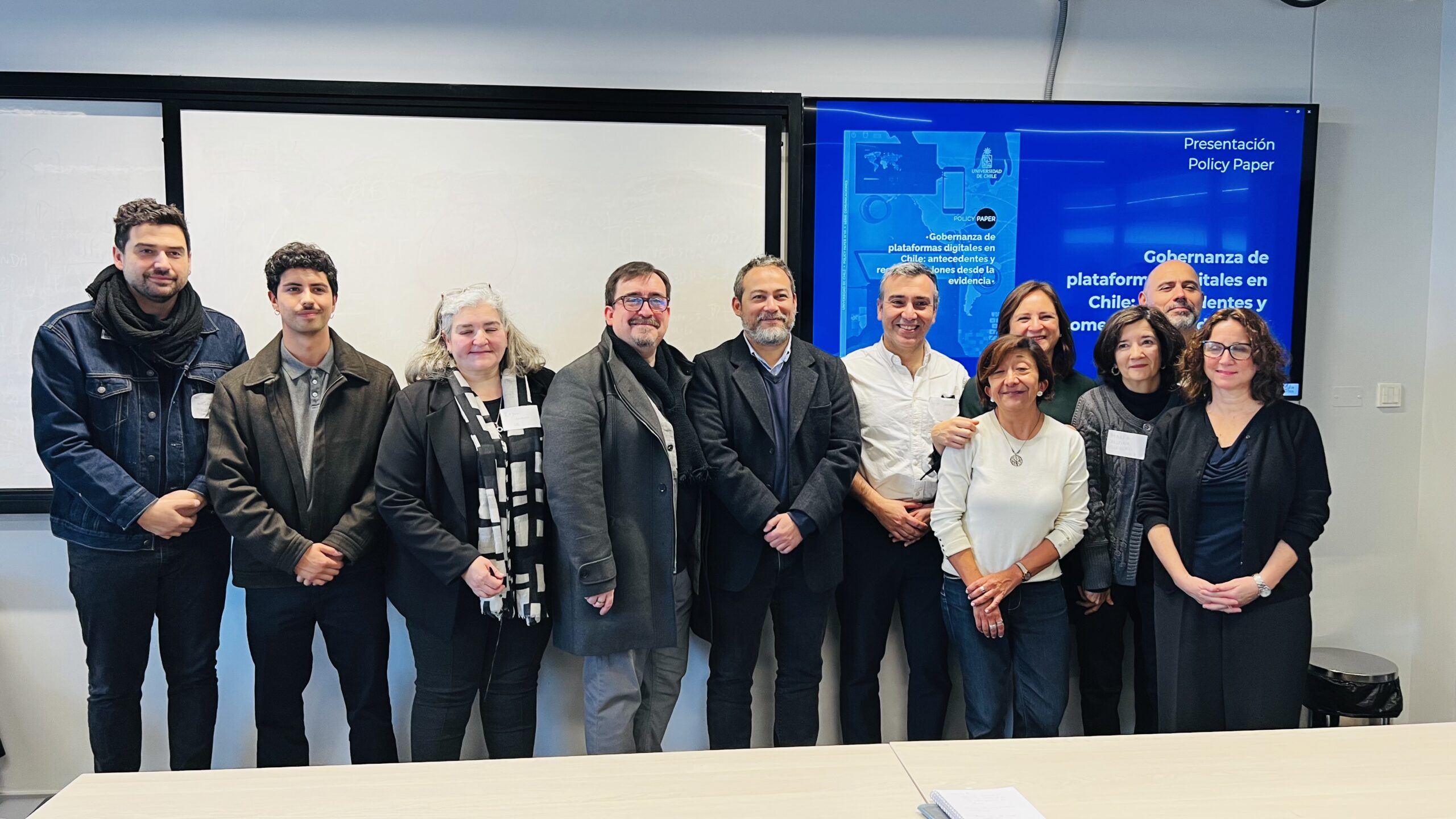
We urgently need to generate intersectoral dialogue spaces to face regulatory challenges with foresight. These actors need to step out of their comfort zone and start to speak from their various stances to reach agreements. Today, quick fixes are insufficient to solve institutional issues, and long-term changes need to be proposed, as current and future technological challenges need present and proactive states. The purpose of the #RegulaciónConvergente Project is to contribute to this dialogue based on evidence so that Chile does not fall behind in these transformations, which are already taking place in other countries.
By Chiara Sáez, June 2025
 ENGLISH
  ESPANOL